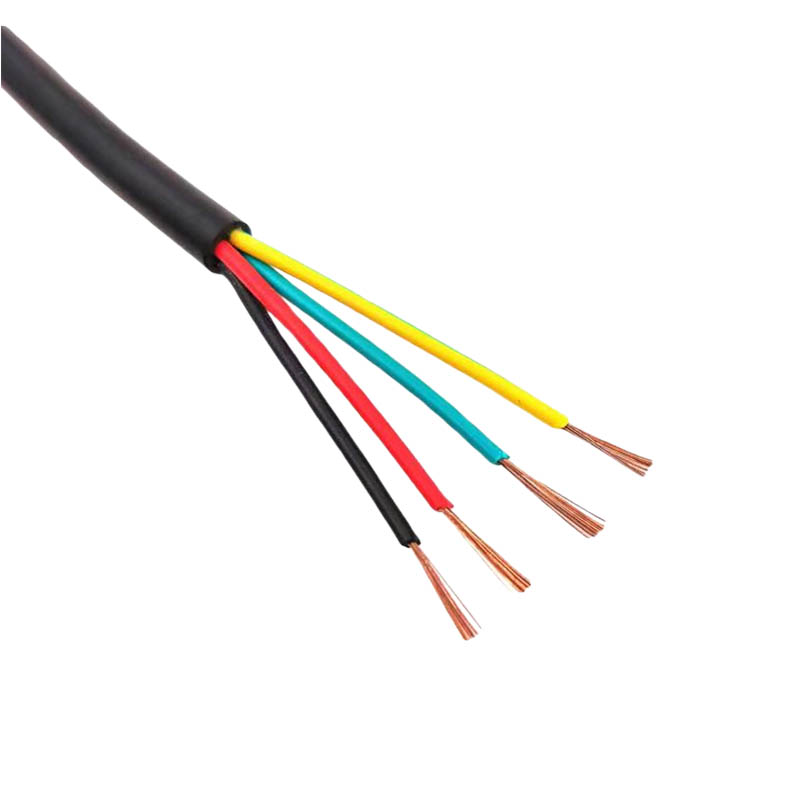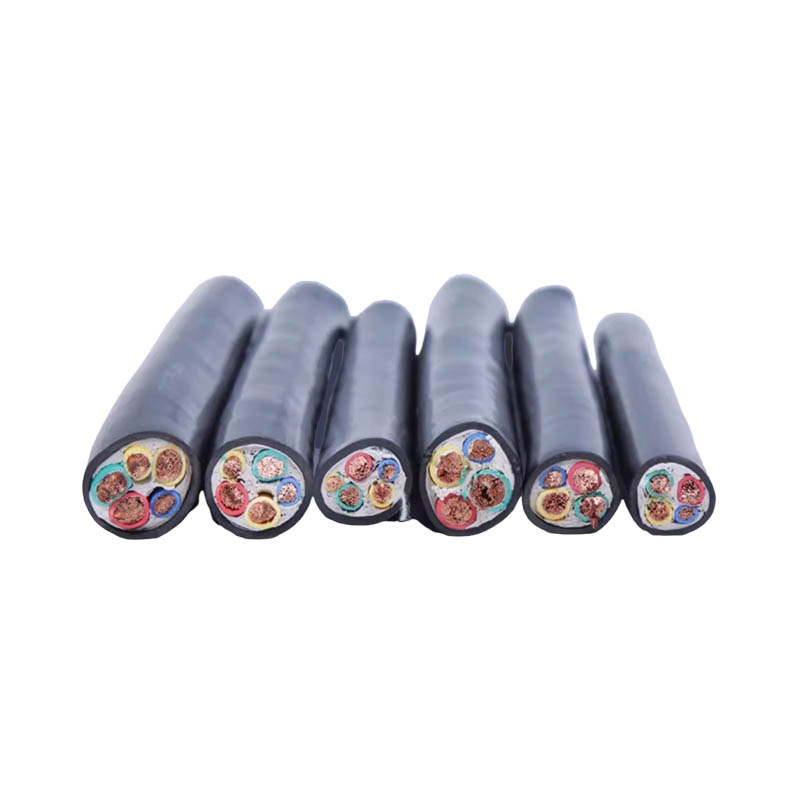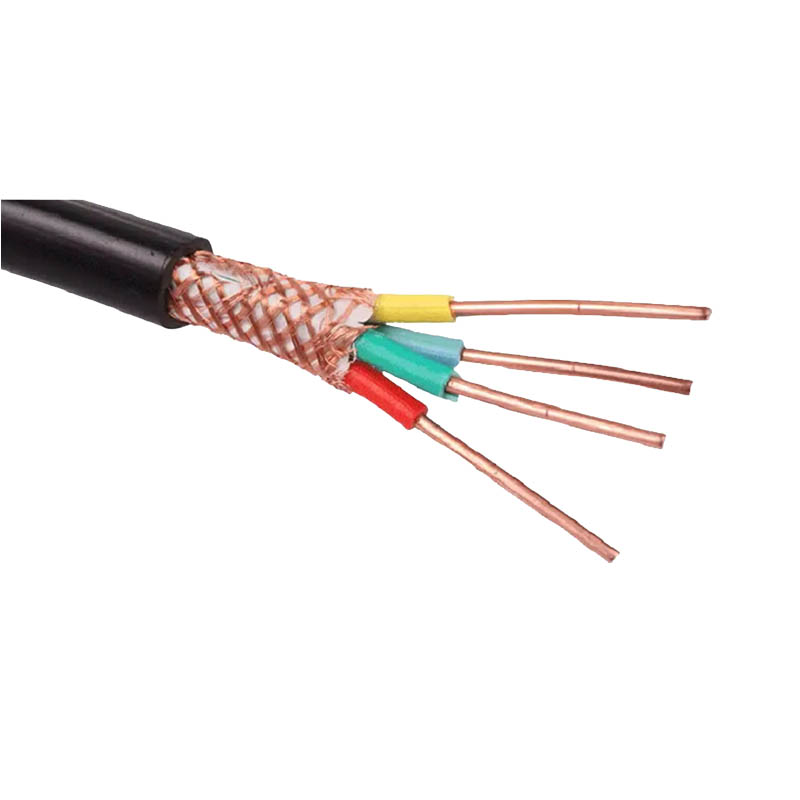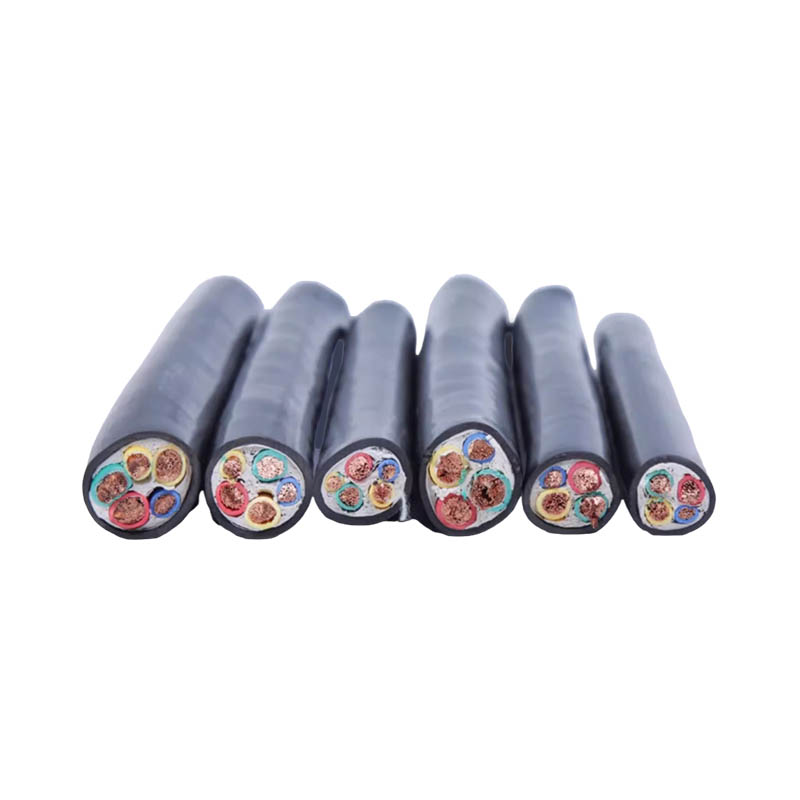

In modern building and industrial systems, control cables act like "nerve lines," silently weaving through walls, cable trays, and equipment, transmitting commands, coordinating operations, and ensuring safety.
On the challenging "electrical battlefield" of construction sites, reliable power cables are not only channels for current but also safety barriers.
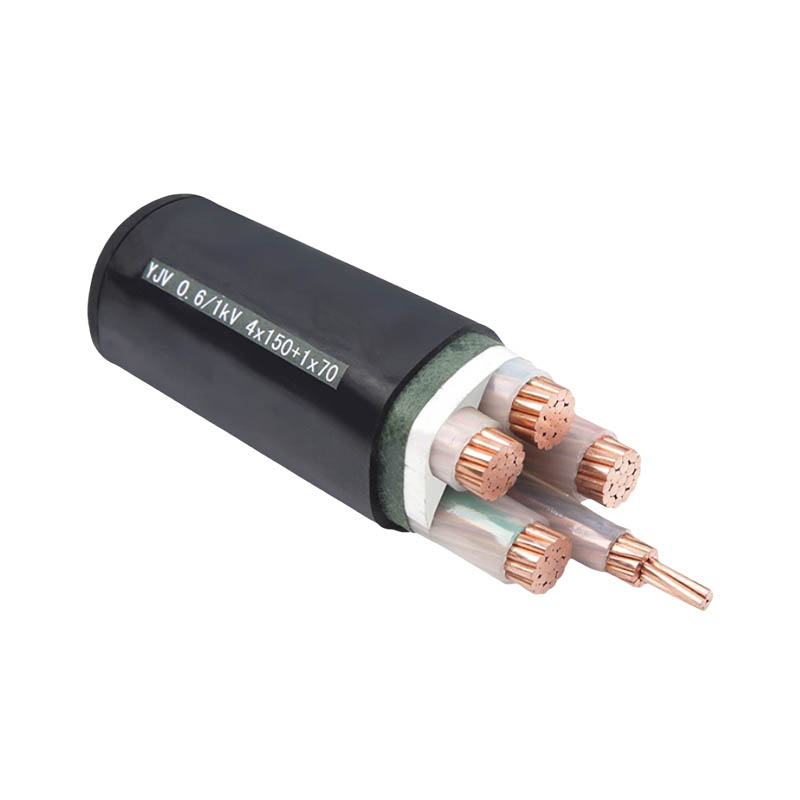
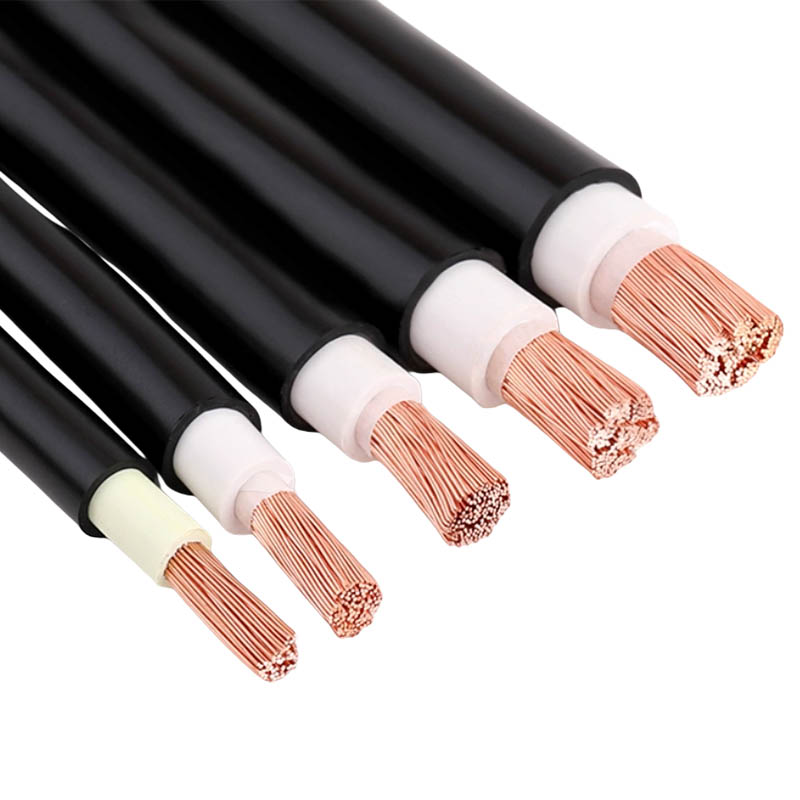
In modern electrical systems, power cables serve as the "lifeline" connecting equipment to the power grid, and their performance directly impacts electrical safety, energy efficiency, and equipment lifespan.
Through material selection, process upgrades, and strict quality control, modern high-quality power cables can effectively meet the challenges of high temperatures and guarantee long-term stable insulation performance.
In modern industrial automation, rail transportation, intelligent buildings, and power systems, control cables are widely used to transmit low-voltage, low-power control signals and data.
In modern power systems, power cables are not only channels for transmitting electrical energy but also crucial for ensuring stable equipment operation and personal safety.